


Crown & Bridge Dentistry
Crown & Bridge Dentistry
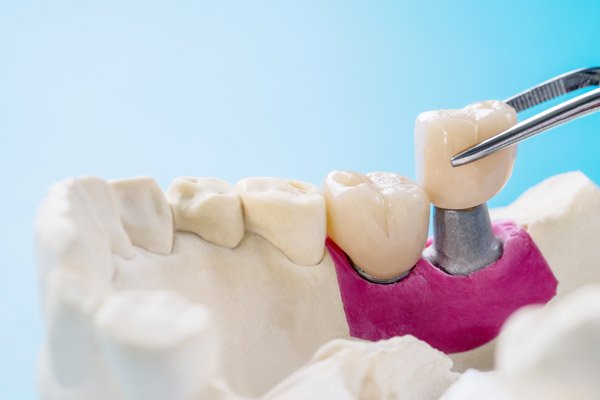
Do you have Broken, Failing or Missing Teeth?
Eat, Feel and Live better in 72 hours from no teeth to all teeth with All on 4 Dental Implants Concept.
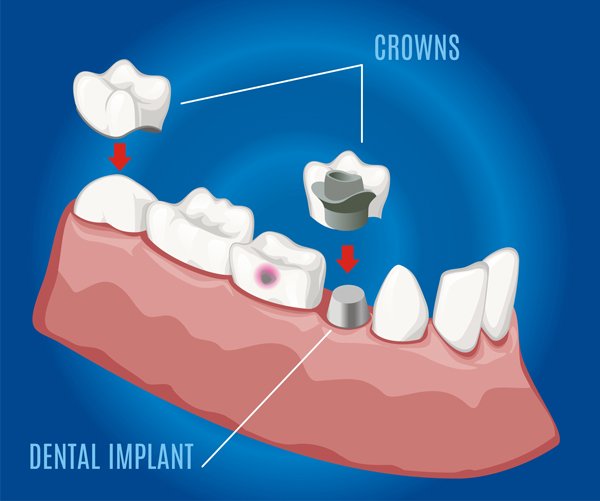
How is a crown placed?
The tooth is numbed and prepared for the crown by removing any decay or weakened areas. The remaining tooth structure is then reshaped to meet proper crown preparation design. If necessary, a restorative material, usually a composite resin, is added to the remaining tooth structure to ensure that the prosthetic crown will have a good foundation. This procedure is called a “build-up.” After the tooth is prepared, an impression of teeth and gums is made and sent to the lab for the crown fabrication. On the next visit, the dentist cements the permanent crown onto the tooth.During the second appointment,the new crown is placed on the tooth. Adjustments may be required to exact the perfect fit, so that the crown will feel comfortable in the mouth and will conform to the bite. When the crown fits seamlessly and contacts the neighboring teeth correctly, the crown is cemented on the tooth.
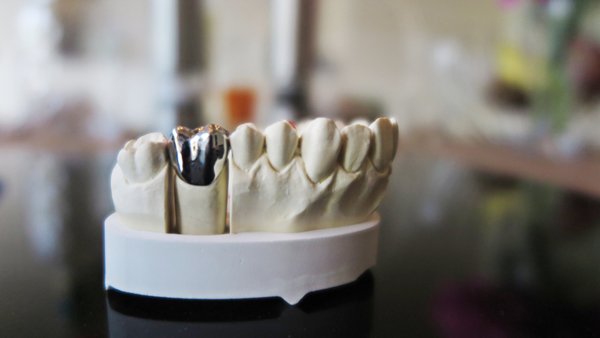
Will it look natural?
Tired of hiding your smile from others? With veneers you can actually look forward to smiling again. Veneers are ultra-thin, custom made porcelain/ composite shells that are bonded to the front side of teeth. Veneers are the perfect solution for people who would like to correct a variety of dental problems like chipped teeth, cracked teeth, crooked teeth, misshapen teeth, spacing problems, worn teeth, broken teeth, stained/ discoloured teeth.
What is the difference between a cap and a crown?
There is no difference between a cap and a crown.
How long do crowns last?
Crowns should last approximately 8-10 years. However, with good oral hygiene and supervision most crowns will last for a much longer period of time. Some damaging habits like grinding your teeth, chewing ice, or fingernail biting may cause this period of time to decrease significantly.
How should I take care of my crowns?
To prevent damaging or fracturing the crowns, avoid chewing hard foods, ice or other hard objects. You also want to avoid teeth grinding. Besides visiting your dentist and brushing twice a day, cleaning between your teeth is vital with crowns. Floss or interdental cleaners (specially shaped brushes and sticks) are important tools to remove plaque from the crown area where the gum meets the tooth. Plaque in that area can cause dental decay and gum disease.Regularly scheduled examinations and hygiene appointments must be adhered to, or the same bacterial assault which causes decay and makes dental care necessary may cause the restorations to fail.